Water-based vs silicone lube: which should you choose?
Water-based lube generally rinses away more easily. Silicone lube is often chosen for a longer-lasting glide. To choose between them, also consider the condoms or toys you plan to use and how you prefer to clean up afterwards.
If easy rinsing and silicone-toy use are priorities, start by looking at water-based products. If frequent reapplication is the concern, explore silicone products after checking material compatibility. The complete formula and the individual product instructions still matter.
The differences at a glance
| What matters | Water-based lube | Silicone lube |
|---|---|---|
| Cleanup | Usually easier to rinse away with water | May take more deliberate cleaning; follow the directions |
| Glide over time | May dry during use and need reapplication | Usually offers a more persistent glide |
| Silicone toys | Often the simpler starting point; check the instructions | May affect some materials; check with the toy manufacturer |
| Texture | Can be a lighter liquid or a thicker gel | Evaluate the actual product rather than assuming a texture |
These general category differences are described in Oxfordshire NHS and Alberta Health Services guidance.[1][3] They do not tell you which individual bottle you will prefer. A category name leaves out viscosity, the amount dispensed and the way a product feels after use.
Think about cleanup as well as glide
Easy cleanup can be a good reason to choose water-based lube. If you want to rinse off the remaining slippery feel relatively quickly, make that a clear buying priority. During use, pause and reapply according to the directions when friction increases.
Silicone may appeal when a persistent glide matters more. Before buying, look at the product's cleaning instructions and consider the surfaces or fabrics around it. A general description such as “long-lasting” does not establish a fixed number of minutes. Amount used, activity and the full formulation all affect the experience.
Dispensing deserves a separate thought. You might prefer a pump because it lets you take a little at a time. That preference does not necessarily mean the formula inside is the only one you will like. When comparing two products, note the pack and the feel separately.
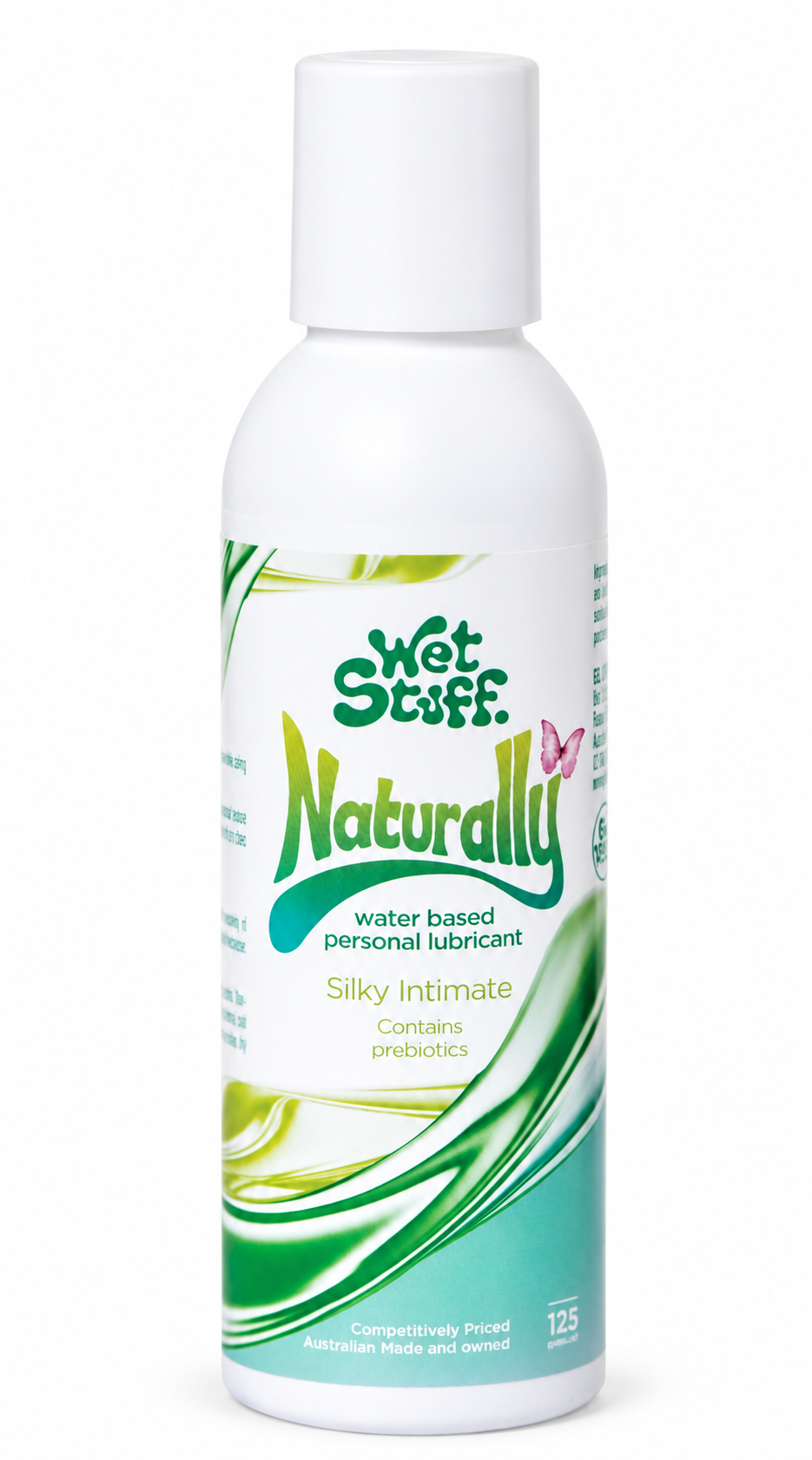
Wet Stuff Naturally125g · Water based
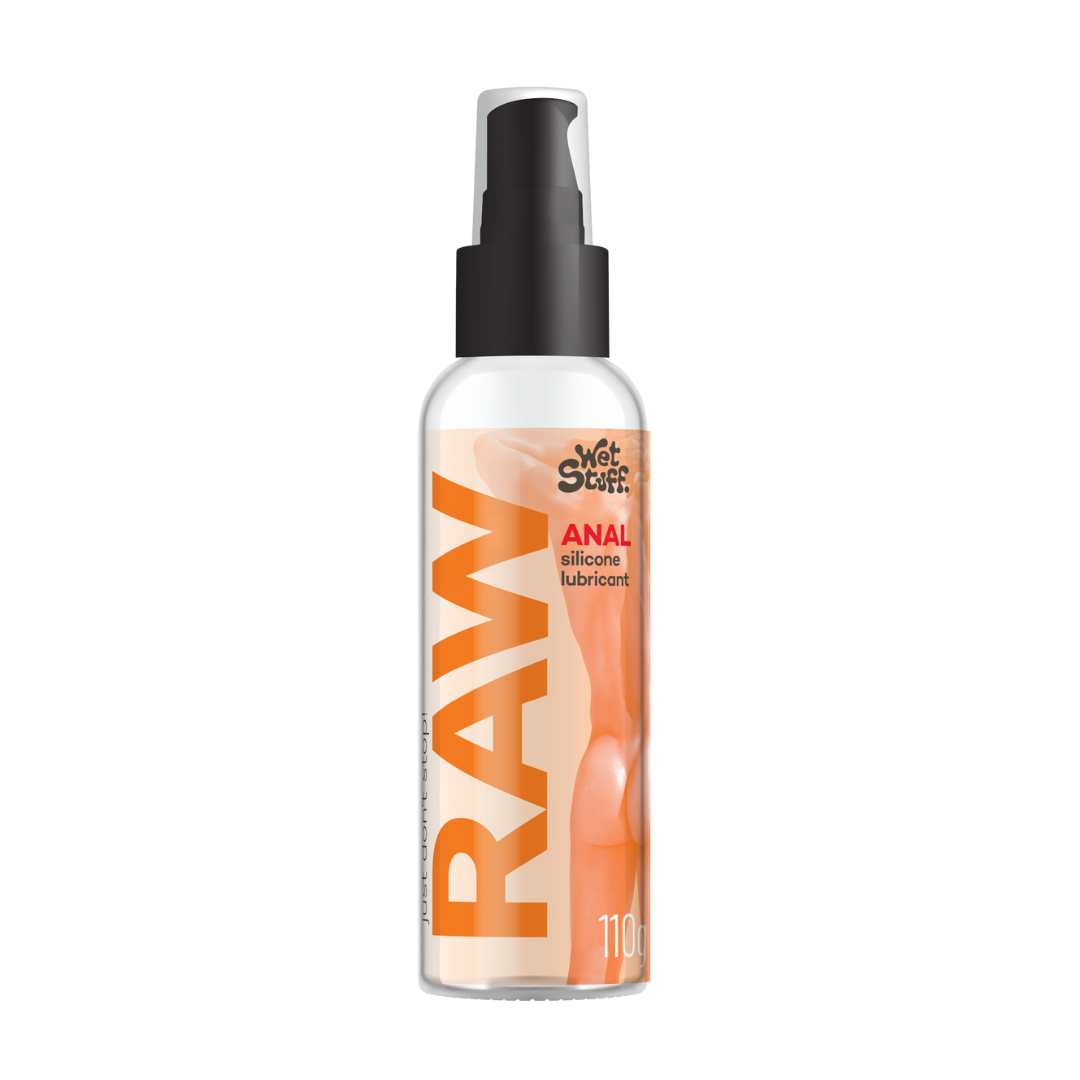
Wet Stuff RAW110g · Silicone
Check the condoms and toys you use
For latex condoms, CDC guidance recommends water-based or silicone-based lubricants and warns that oil-based products can weaken latex.[2] Body lotion, petroleum jelly and massage oil should not be treated as substitutes simply because they feel slippery.
With silicone toys, water-based lube is often a straightforward starting point. Some silicone lubricants can affect silicone or realistic-feel materials. Read the directions from both manufacturers rather than carrying a condom-compatibility statement over to a toy.[1]
If the label leaves a question open, tell the manufacturer the material and model of the other product. “Can I use this with this particular toy?” is a more useful enquiry than asking whether the lubricant works with everything.
Two existing packs make the categories tangible
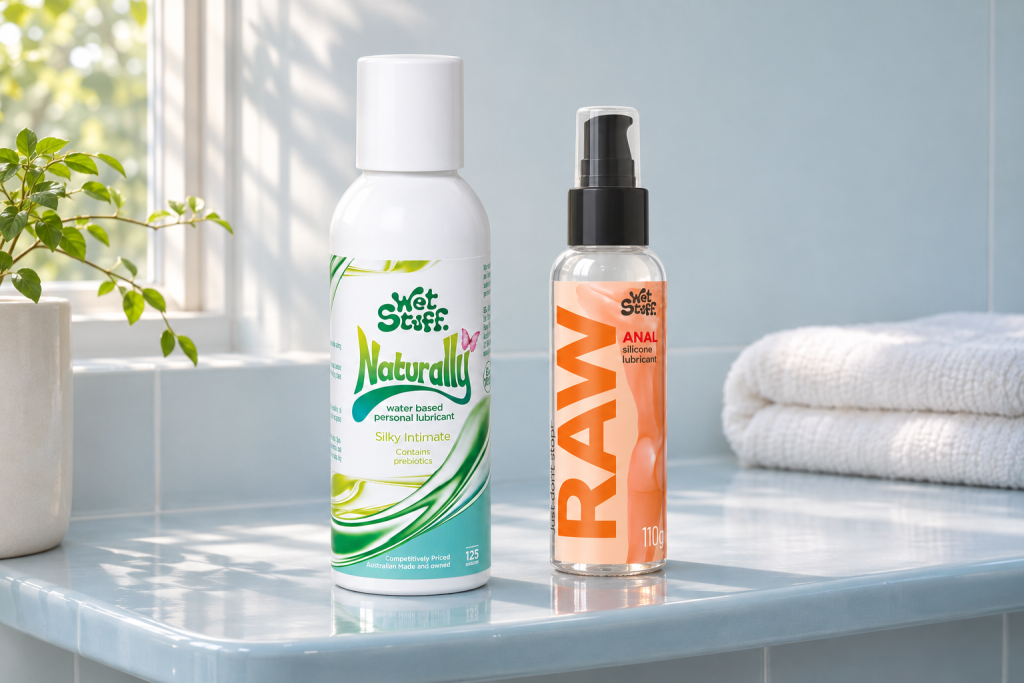
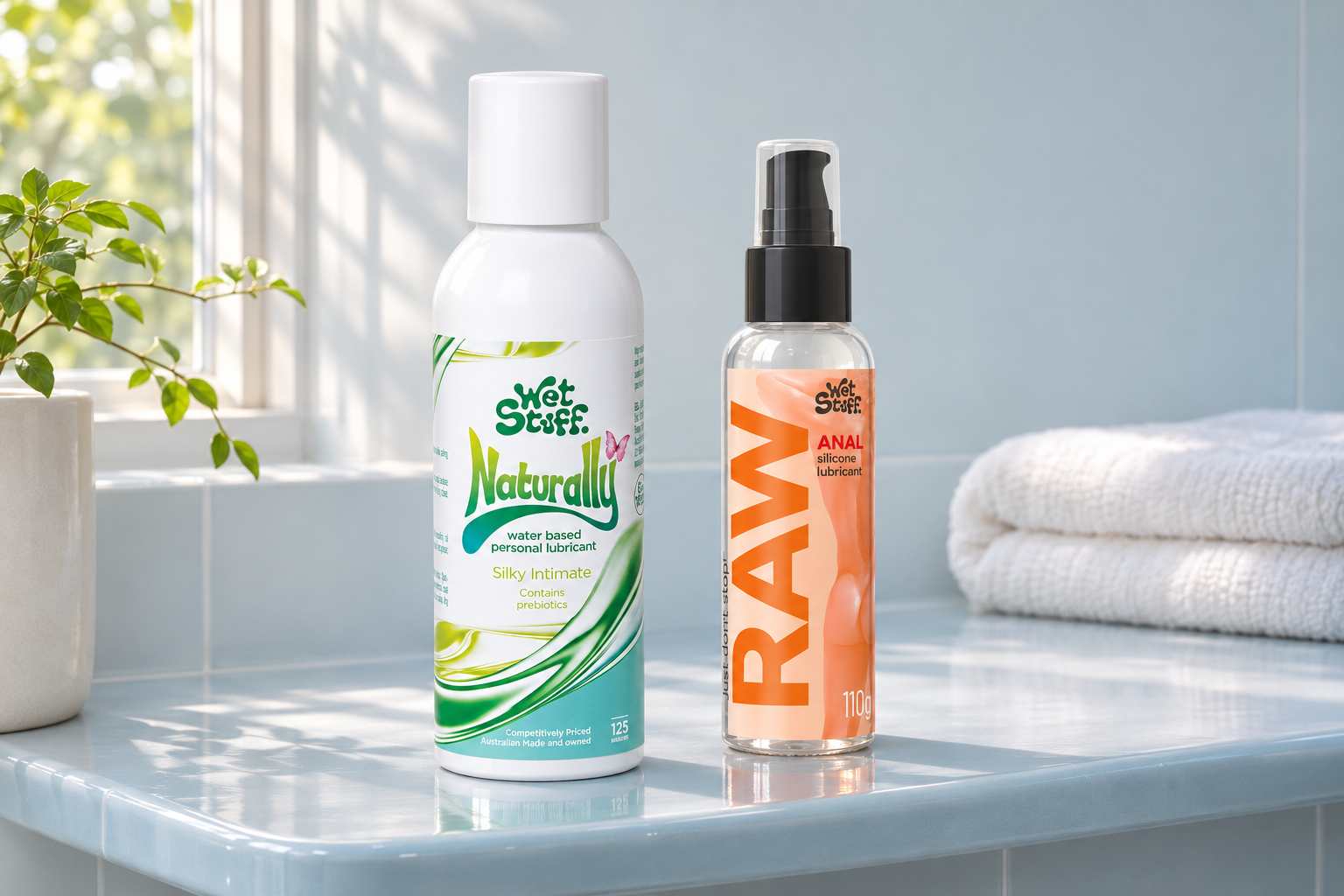
Wet Stuff Naturally is a water-based personal lubricant in a 125g bottle. RAW is a silicone lubricant in a 110g pump bottle. The photographs show the existing pack formats and their labelled quantities.
Use each product's own ingredient information and directions when evaluating it. A separate water-based OEM formulation reference does not establish the full ingredient list of either product. The pack can help you recognise a reference; it cannot replace the matching product sheet.
Keep a short comparison record
| Record | An example of useful detail |
|---|---|
| Other products involved | Condom material; toy material or model |
| Main preference | Easy rinsing or less frequent reapplication |
| Observations | Spread, changes in glide and cleanup |
| Questions for the manufacturer | Directions and material compatibility for that exact product |
Start with one or two clearly identified products rather than an unlabelled assortment. Keep their names beside your observations. That gives you a more useful basis for a repeat purchase than a rule that one base is always best. Stop using a product if it causes discomfort; persistent or recurring symptoms warrant medical advice.
Choosing a base for a private-label range
A brand can use the same comparison record to brief a supplier. Describe the intended use, preferred feel, ingredient requirements and dispensing format. Compare the formulations first, then discuss the pump, closure and label information for the selected version.
When contacting Gelworks, send a reference product, target market and the experience you want to compare. Keep each sample connected to its ingredient information and product documents so the next discussion continues from an identifiable version.
Sources
Develop a lubricant for your brand
Describe your product direction, target market and expected quantity. Undecided specifications can be discussed later.